


3 Reasons why you should choose wallpaper.
July 7, 2026Choosing the lowest construction quote often results in hidden expenses, project delays, and compromised structural safety.
In the construction industry, material and labour expenses have a baseline market cost. When a bid is significantly lower than average, it usually indicates that the scope of work is incomplete, or shortcuts are being taken to keep the price artificially low.
Understanding construction value:
Why the lowest quote can cost you more
When investing in a building or renovation project, it is natural to look for ways to maximise your budget. However, in the construction industry, choosing the cheapest quotation is one of the most common causes of project failure, financial loss, and legal disputes. A remarkably low bid rarely means you are getting a bargain; instead, it typically means risks are being shifted to you. Understanding the hidden mechanics behind a low bid can help you make an informed decision for your project.

The risk of unseen “variations” and hidden costs
Cheaper contractors often submit vague, brief estimates to make their initial price look attractive
- Incomplete scopes: Essential components like site preparation, waste removal, scaffolding, or specific finishes are omitted from the initial price.
- Mid project penalties: Once construction begins, these missing items are re-introduced as mandatory “change orders” or variations.
- The final bill: These mid-project additions frequently push the final cost well above the realistic, comprehensive quotes you rejected initially.
Substandard materials and compromised durability
To sustain an under-market price, a contractor must reduce their overheads somewhere. This reduction almost always impacts the structural integrity of your building
- Inferior products: Structural elements may use lower-grade timber, weaker concrete mixes, or cheap plumbing and electrical components
- Premature failures: While the project may look acceptable at hand-over, inferior materials quickly lead to structural cracks, roof leaks, and plumbing issues.
- Expensive repairs: Fixing structural or finishing errors after a project is complete cost significantly more than doing the job correctly the first time.
Unskilled labour and poor workmanship
Experienced, qualified tradespeople command fair market wages for their expertise. Low-cost operations cut expenses by hiring untrained or unsupervised labour.
- Lack of supervision: Without strict project management, critical errors are easily overlooked.
- Rushed mistakes: Workers are often forced to rush to meet unrealistic tight margins, resulting in sloppy finishes and misaligned layouts.
- No compliance: Unskilled workers are rarely up to date with modern building codes and municipal regulations, putting your legal compliance at risk.
Severe delays and abandoned projects
Under-quoted projects suffer from fragile cash flow. When a builder runs out of money midway through, your project becomes a liability.
- Juggling jobs: to survive, cheap contractors often start multiple new jobs to use the new deposits to fund older, struggling projects.
- Inconsistent attendance: Your site may sit empty for weeks while the crew works elsewhere to generate quick cash.
- Insolvency: In worst-case scenarios, under quoted contractors go out of business mid-way through execution, leaving you with an unfinished shell and an exhausted budget.
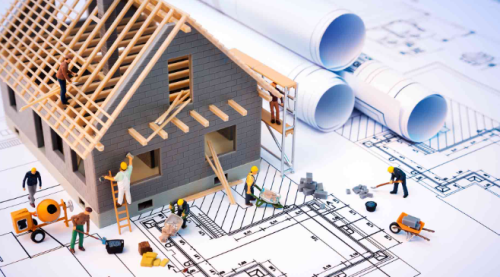
Lack of legal protection, insurance, and aftercare.
A professional quote includes the cost of running a legitimate, secure business. Cheap operators cut out these safety nets completely.
- No insurance: Low bids rarely include public liability insurance or workers’ compensation. If an accident happens on your property, you could be held liable.
- No retentions or snagging: Reputable builders’ factor in time and budget for aftercare to fix minor defects post-completion. A cut-price builder will likely disappear the moment the final payment is cleared.
When evaluating your options, look for consistency among quotes. If 2 or 3 reputable contractors estimate a project within a similar price bracket, but one bid is vastly cheaper, that outlier is a major red flag.
Always choose the builder who demonstrates a thorough understanding of your project, provides a transparent breakdown, and offers real long-term value for your investment.
DOWNLOAD YOUR CONSTRUCTION VALUE CHECKLIST FOR SAFERPROJECT DECISIONS HERE:
Inyathi TKP – Construction value checklist for safer project decisions.